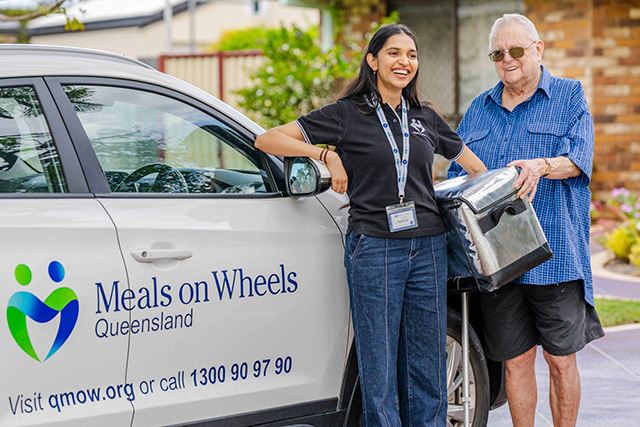
Meals on Wheels™ Queensland are the best support at home meal providers (previously known as home care package) across Queensland, supporting older Australians to stay well at home with regular meal deliveries, friendly visits, and a welfare check from a trusted volunteer.
Meal delivery can often be arranged for people on a support at home package (depending on the plan and budget). It is also available for people who pay privately. Meals on Wheels™ are available to anyone!
For many households, meal delivery reduces day-to-day pressure. When meals are organised, it can be easier to keep energy for the parts of life you enjoy, keep regular mealtimes, and cut down the effort involved in planning, shopping, cooking, and cleaning up.
Each year, we proudly deliver over 2.9 million meals, bringing comfort, care, and a friendly check-in to communities state-wide.
Over 23,000 clients trust us to deliver not only nourishing meals but also a sense of companionship and community.
With the support of 6,300 passionate volunteers, we’re building stronger communities and delivering more than just a meal™ every day.
Our services span 140 locations across Queensland, ensuring everyone has access to the care and support they deserve, wherever they are.
Meal delivery can be a good fit if you:
Many people begin with a small number of meals each week, then adjust as routines and needs change. Some people like a set pattern so they always know what is available. Others prefer flexibility, such as keeping extra meals stored at home for days when plans change or cooking feels too hard.
Meal delivery can also help when support changes. If a family member is away, a support worker’s schedule shifts, or someone returns home after time in hospital, having meals organised can help the household settle back into a steadier rhythm.
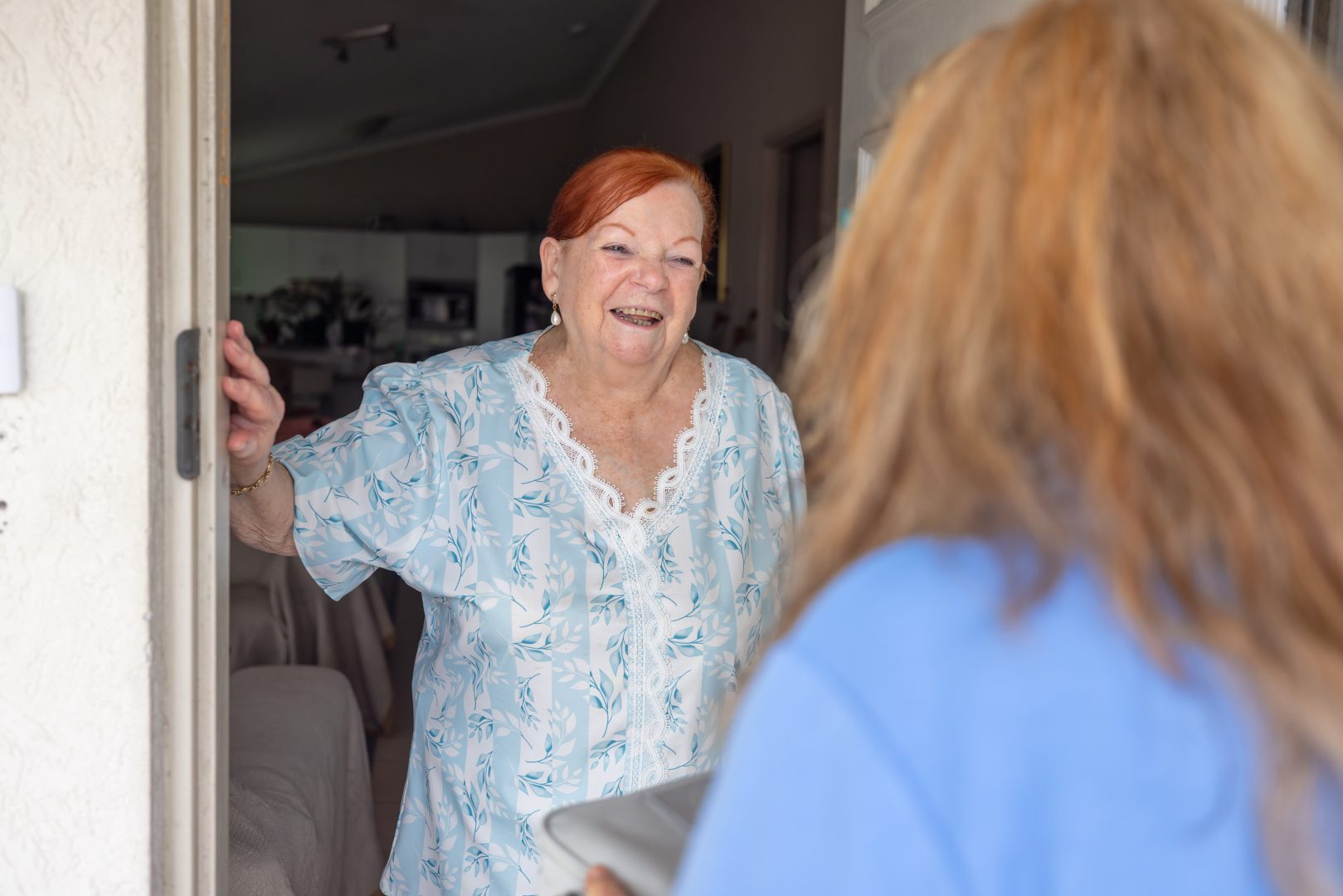
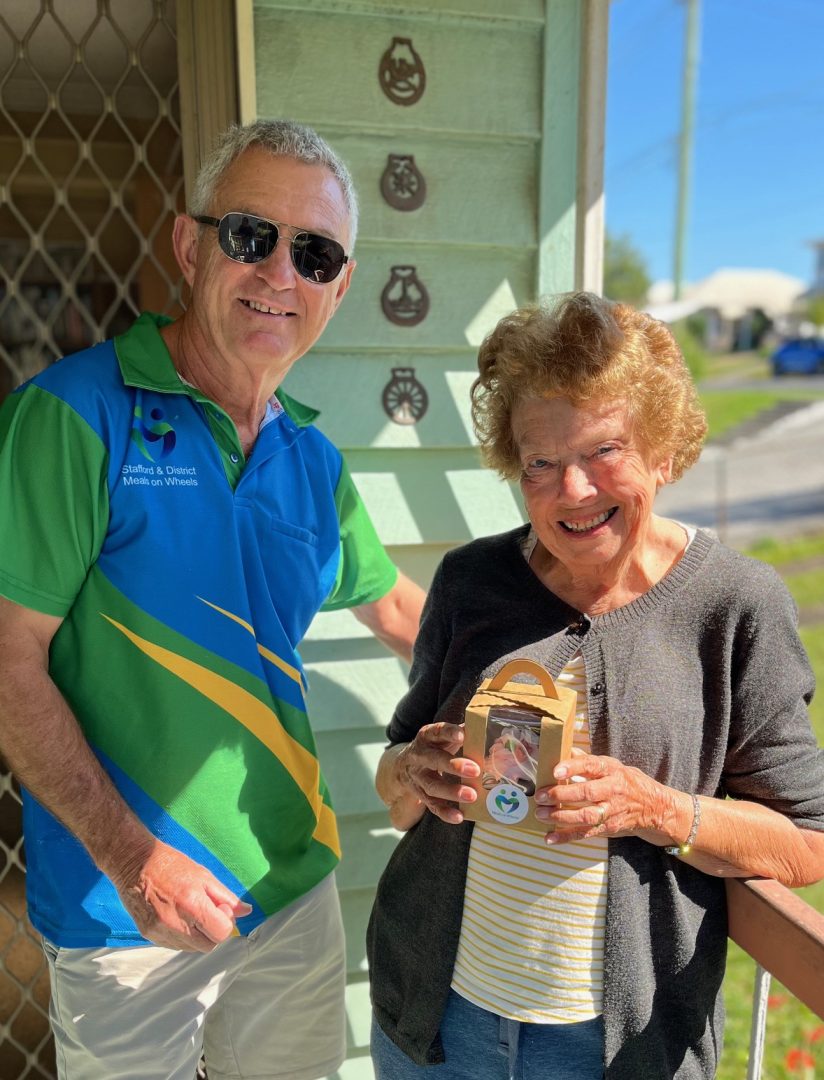
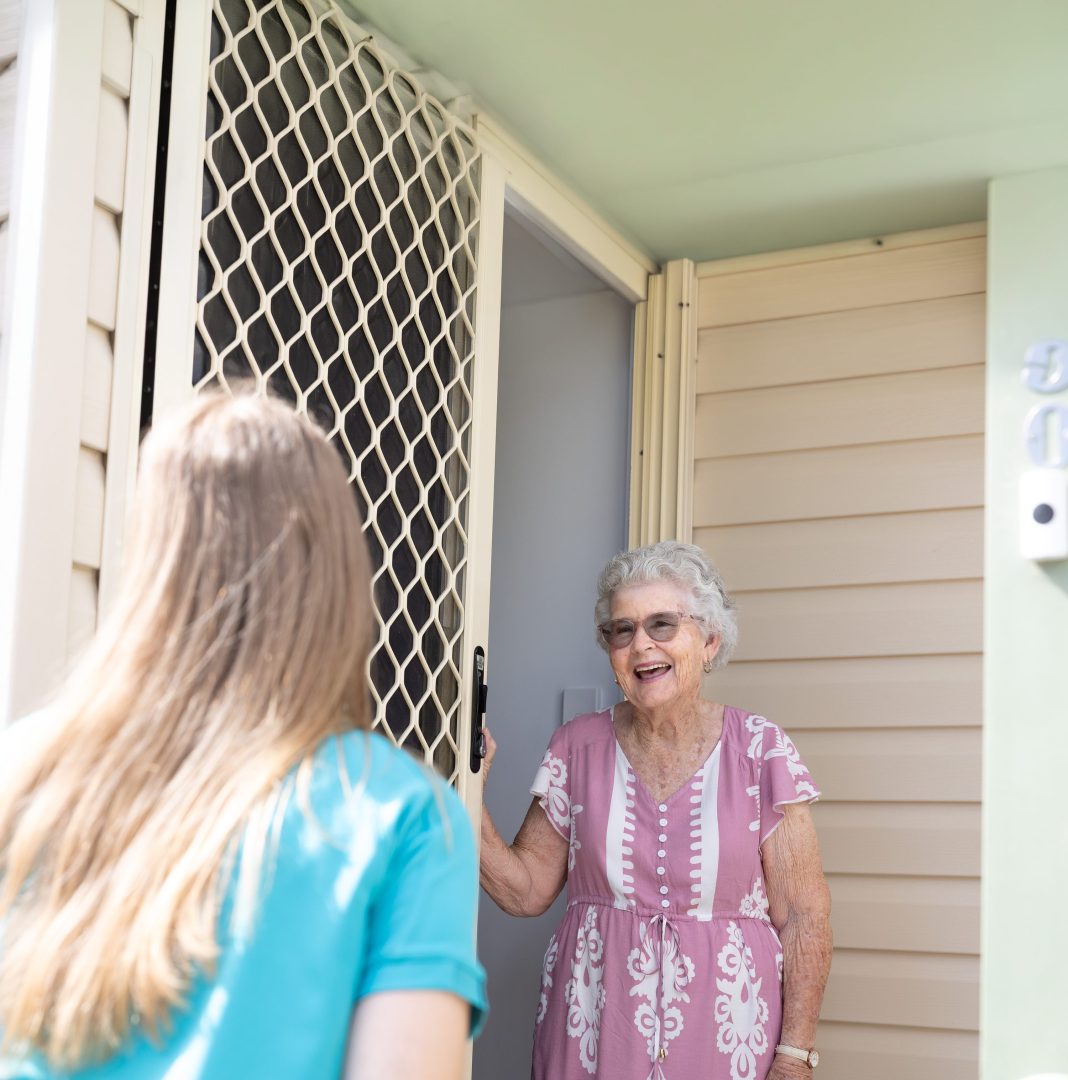
Meals on Wheels™ Queensland deliveries are designed to support both nutrition and reassurance. Along with meals, customers receive a friendly visit and a welfare check, which can help people feel safer and more connected while living at home.
For families, regular delivery can provide peace of mind, especially when they live at a distance. A predictable delivery routine can also help with planning. Many clients and carers like knowing when meals arrive so the fridge or freezer stays stocked and meals are easy to find.
If you have mobility considerations, or access instructions, share that early so the local service can support a consistent delivery approach where possible. Clear communication can make delivery days smoother and reduce worry for everyone involved.
Meals on Wheels™ Queensland operates through local Meals on Wheels™ services across the state. A coordinator from your local service can help arrange meal delivery and discuss any dietary requirements based on what is available in your area.
Anyone can refer a client, including family, friends, health professionals, or self-referrals. There are no waiting lists and no contracts.
After an enquiry or referral, the local service will confirm practical details such as delivery days, how ordering works in your area, and which meal options are available locally. If you are arranging meals for someone else, the local coordinator can also explain how to keep orders consistent, how to make changes, and how to pause deliveries when needed.
If a person’s needs change, such as reduced appetite, a new dietary requirement, or a shift in support at home, the local service can help update the order and delivery arrangements so the service continues to suit day-to-day life.
Meal types and menu options can vary by location. Your local service will confirm what is available in your area and the delivery schedule.
If you are deciding what will work best at home, these points usually help:
A practical approach for many socially buy people meals for the week plus a few back-up meals stored at home. Back-up meals can be helpful during busy weeks, in hot weather when cooking feels harder, or when appointments disrupt normal routines. Those who are less social receive or receive less visitors, may choose to receive a daily delivery for the social aspect.
It can also help to organise a simple meal routine at home. For example, keep meals on one shelf, rotate older meals to the front, and keep reheating instructions easy to access. Small habits like these can make meals feel straightforward, even when energy is low.
Meals on Wheels™ Queensland meals are designed with older adults in mind and aligned with dietary guidelines. The approach supports balanced nutrition, with nutrients such as protein included as part of overall meal planning.
Good nutrition often looks like consistency. Regular meals can support steadier energy, better recovery after illness, and more settled daily routines. For some people, a ready meal also reduces the risk of skipping meals due to fatigue, pain, or difficulty standing for long periods.
Regular meals can support independence by reducing the number of decisions a person needs to make each day. When meals are already organised, there is less pressure to plan, shop, prepare food, and clean up. This can be particularly helpful when memory is variable, when confidence in the kitchen has dropped, or when someone feels overwhelmed by daily tasks.
A predictable meal routine can also make it easier to coordinate other supports. For example, if a support worker visits on certain days, meal delivery can be arranged so food is available when that support is present.
If you are organising meals for a parent, it often helps to start with familiar choices and a manageable order size, then refine the next order based on what they enjoy and what gets eaten. Many families find it useful to keep notes for the first two or three weeks, such as favourite meals, portion comfort, and the times of day when appetite is best.
Appetite changes are common, and not always predictable. Some people eat better earlier in the day and prefer a lighter evening meal. Others prefer a larger meal at dinner time. A regular meal service makes it easier to match meals to those patterns without adding extra work at home.
Portion comfort matters too. If meals are too large, people may leave food behind and lose confidence. If meals are too small, they may still feel hungry later. Finding the right balance can take a little time, and it is normal to adjust.
Some households also like to keep a few simple staples at home, such as yoghurt, fruit, soup, or toast, to complement delivered meals when appetite is smaller or when a lighter snack is preferred. Some of our services offer snacks and breakfast packs too.
If you receive support at home, it can also help to agree on a simple plan for meal times, serving, and hydration so mealtimes stay regular and comfortable. Even a basic routine, such as reheating at the same time each day, keeping meals clearly labelled in the fridge or freezer, and having a set place for utensils and heating instructions, can make mealtimes feel calmer and more familiar.
Dietary options can be supported, and your local service can discuss what is available where you live.
People may need dietary adjustments for many reasons, including medical conditions, chewing or swallowing concerns, or changing appetite. Some people also prefer plainer flavours or softer foods after illness or medication changes. Sharing these details early helps the local team guide you towards suitable options.
Texture needs are especially important to get right. If a person has swallowing concerns, meals need to match professional advice and feel safe and comfortable to eat. Even when formal texture modification is not required, some people simply find softer foods easier, particularly if dental issues or mouth discomfort affect eating.
If you have advice from a health professional about textures or dietary changes, share that with the local service so meal options can be discussed in a practical way.
If needs change over time, your local service can help update meal selections and delivery arrangements. This might include adjusting the number of meals per week, changing meal types, or switching preferences as tastes and routines shift.
It can also include smaller changes that make a real difference, such as choosing meals that are easier to chew, selecting simpler flavours, or selecting meals that reheat well when energy is low.
Meals on Wheels™ Queensland welcomes referrals for clients who may be eligible for Support at Home Packages and other funding programmes, such a Commonwealth Home Support and NIDS as well as private-paying customers.
Costs and pricing arrangements can vary by local service, so the best step is to confirm details with the service in your area. If you are using a Support at Home package, your provider or coordinator can confirm how meal delivery fits within your plan and budget.
If you are working with a coordinator, it can help to have a short conversation about how you want meals to support the person at home. For example, you might focus on daily dinners, a mix of lunch and dinner, or freezer back-up for days when appetite and energy are unpredictable.
Some households decide meals should cover weekdays while family support covers weekends. Others prefer having freezer back-up meals available so there is always food in the house when carers are unavailable.
Meal plans can be updated over time. If a client needs to change delivery frequency, modify meal selections, or pause the service, the local service can help organise changes based on local delivery arrangements.

Meals on Wheels™ supports individuals in living independently by delivering nutritious meals, fostering meaningful social connections, and providing essential services that enhance their wellbeing, health, and safety. Through our services, we empower people to maintain their independence and live with dignity, surrounded by care and community support.
Your support provides more than just meals; it brings care, connection, and a sense of belonging.
Join the Play for Purpose raffle and help make a difference! Every ticket you buy supports Meals on Wheels™ and gives you the chance to win incredible prizes, all while benefiting your community.
Whether as an individual or part of a corporate team, your time can help build stronger communities. Lend a hand and make a lasting impact by supporting the well-being of your local neighbours.
Your generosity directly fuels our mission to deliver nutritious meals, vital care, and heartfelt companionship to local communities. Every contribution helps us make a meaningful difference in the lives of others.
Meals on Wheels™ Queensland delivers nourishing meals to your door, which can reduce the pressure of shopping and cooking. Deliveries include a friendly visit and a welfare check, supporting reassurance while people continue living at home.
Start by contacting Meals on Wheels™ Queensland or submitting a referral. Your details are passed to the nearest local service, and a local coordinator will contact you to arrange meal delivery, delivery days, and any dietary needs. Your Support at Home provider can then support the agreed payment arrangement based on your plan.
You can expect home-delivered meals, a friendly visit, and a welfare check. Many families also value the reassurance of regular contact and the consistency of delivery routines. Neighbours supporting neighbours.
Meals on Wheels™ Queensland is built around local services and community support, with regular meal delivery and a friendly welfare check. Many customers and families value the familiarity that comes with a steady routine and ongoing contact. Not drop and go but stay and chat.
Dietary options vary by location. After referral, your local coordinator can discuss requirements and organise what can be supported in your area.
When meal delivery is arranged through your package, it can reduce day-to-day meal preparation stress, support regular nutrition routines, and provide ongoing reassurance through friendly deliveries and welfare checks.
Yes. Many people adjust meal choices, delivery frequency, or the number of meals as routines change. Your local service can explain how changes are managed in your area.
To begin, find your nearest Meals on Wheels™ service in Queensland and ask about meal delivery options for your area. You can also make a referral online or call 1300 90 97 90.